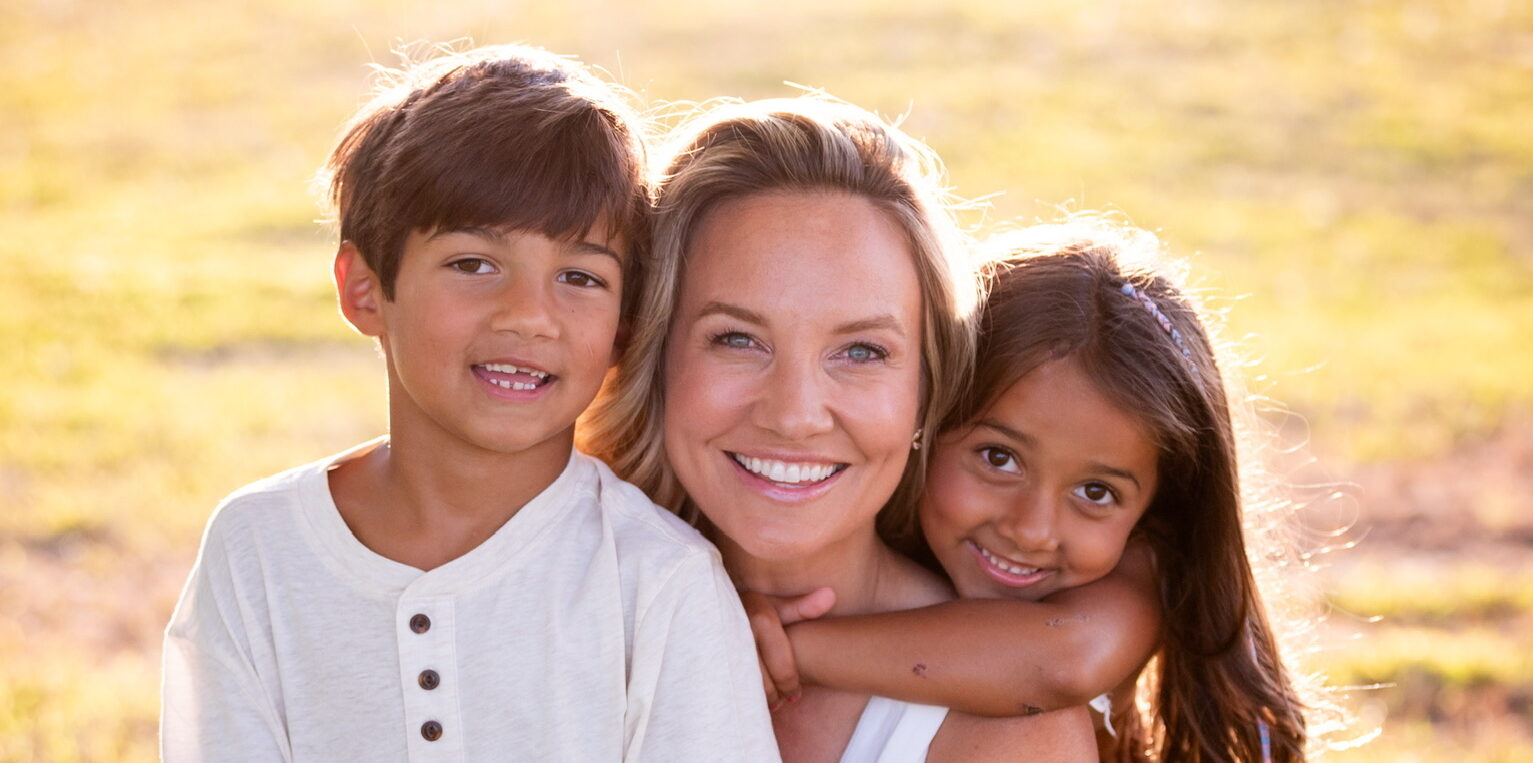
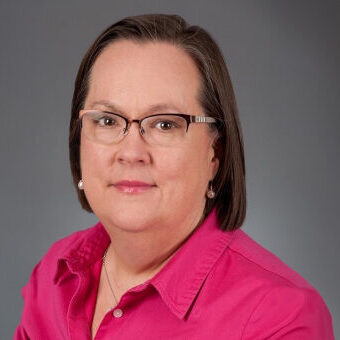
Meet Katie Reddy
New York, NY, USA

Mothering a heart warrior
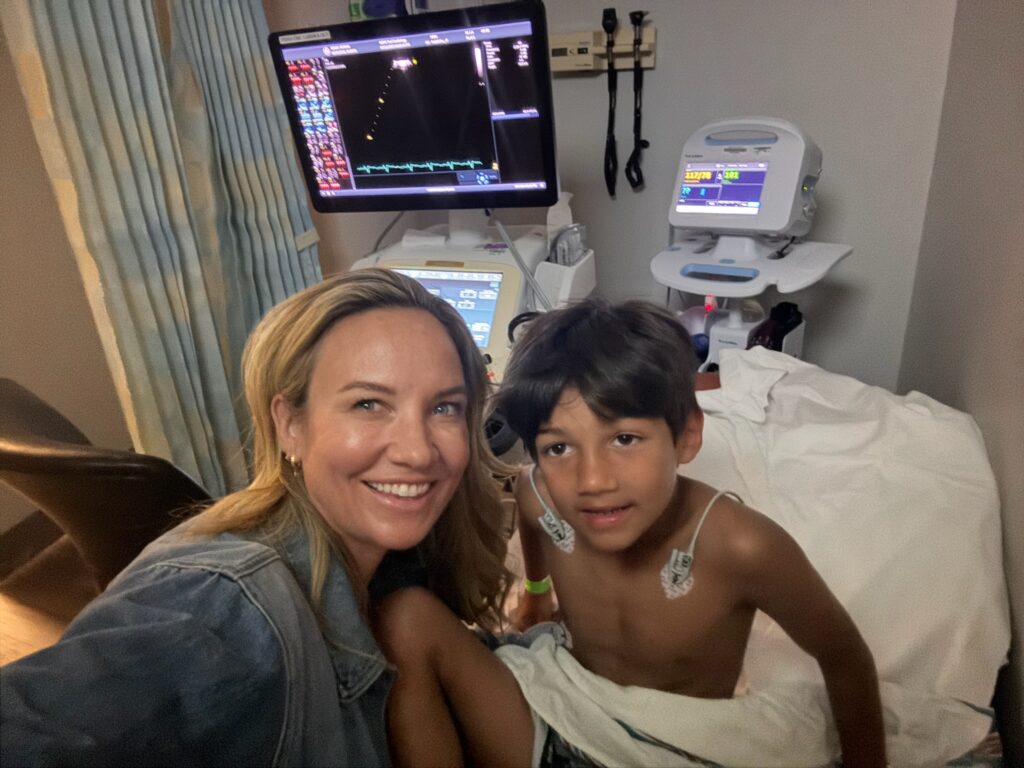
For Katie Reddy, overwhelmed cannot capture the full extent of those first days and months as a new mother. Her mind shut off when the doctor explained to her that her son will be born with tetralogy of Fallot, a heart defect made up of four different heart problems.
Due to the severity of his condition, it was apparent he would require surgery very soon after birth. Luckily, Katie lived in the United States where her child has access to world-class care and physicians. Her son wasn’t just saved; he was given the possibility of a healthy and thriving future.
“We had two teams of people who were able to discuss with us what’s the best path forward. And that was something I truly valued going through the process,” says Katie.
Join Katie in supporting Children’s HeartLink
join mother’s like katie who are paying it forward so more more mothers can hear, “your child is going to be okay.” join the children’s heartlink list!
Transforming children’s heart care with Children’s HeartLink
When Katie became a Children’s HeartLink board member, she quickly learned that the guidance and support she received and the lifesaving care her son had wasn’t available for children everywhere.
In fact, while congenital (meaning present from birth) heart disease is the most common birth defect in the world, 90% of children with the condition do not receive treatment because it is unavailable or too expensive.
“Your child is going to be okay.”
She hopes more families will hear these words. It drives her deep belief in Children’s HeartLink’s mission to transform pediatric heart care for children in underserved parts of the world.
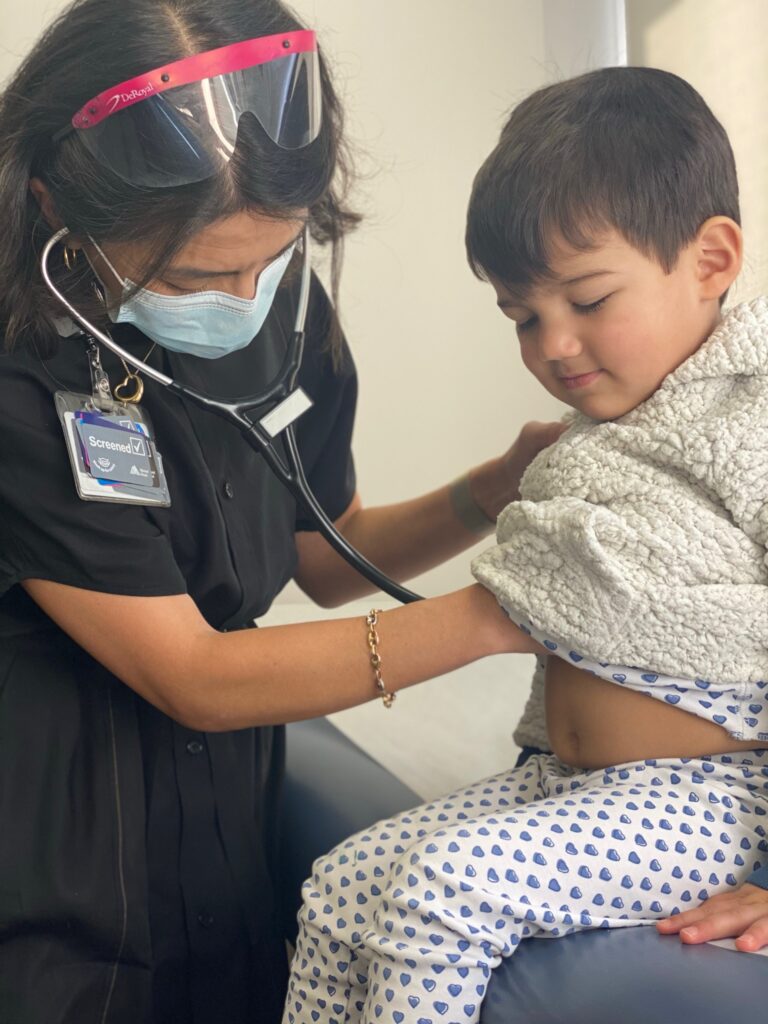
First, Children’s HeartLink connects volunteer doctors and nurses from the U.S., U.K., and Canada to medical teams from partner hospitals in Bangladesh, Brazil, China, India, Malaysia and Vietnam. The volunteer teams provide mentorship and training that help partner teams build skills and expertise to grow their pediatric heart care programs to care for more children in their community.
The goal is for these partner teams to grow their hospitals into Children’s HeartLink Centers of Excellence. These are high-quality pediatric heart care programs that exist in low-resource settings, which can go on to train their peers in the region.

Through this train-the-trainer model, we create a ripple effect–expanding access to heart care for children across entire regions.

Facts about congenital heart disease
CHD is the leading cause of infant death from birth defects and the largest noncommunicable disease cause of death in people under age 30.
- 1 in 100 infants are born with congenital heart disease
- 1 in 4 needs surgery in the 1st year of life to survive
- 85% of children with CHD can survive into adulthood when lifelong care is accessible
- 7th cause of infant mortality globally
More Supporter Stories
Meet Ping & Amy Chao

Meet Tammy Sweeten

Meet Nurse Paurus

Meet Dr. Mark Lewin

Meet Nurse Fisk
Meet Dr. Dearani