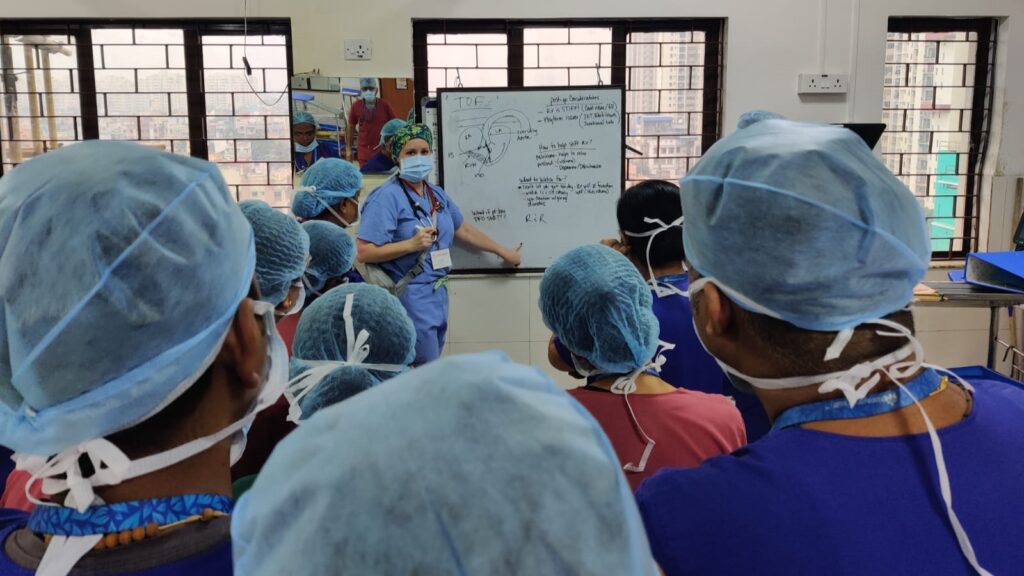
With health equity at its core, the Children’s HeartLink model saves children’s lives by investing in training partnerships to support sustainable access to high-quality pediatric cardiac care.
Train the trainer model
The Children’s HeartLink capacity building model leverages a collaborative train-the-trainer approach as the fastest and most sustainable way to treat the most children. Here’s how it works:
- Medical volunteer teams from top teaching and research institutions commit to exclusive, long-term partnerships (7-10 years with the same institution) to train, mentor and empower their peers in the delivery of high-quality, team-based care.
- Administration, doctors, nurses and staff at partner hospitals commit to growing their pediatric cardiac programs and learning from their peers to become regional trainers.
- Volunteers mentor and train doctors, nurses and other health care professionals in low- and middle-income countries to learn the multidisciplinary skills needed to grow their programs and reach children with heart anomalies.
- According to volunteers, they learn from the partner hospitals as much as they teach. The hospital partners’ innovative problem-solving and resource efficiency are key takeaways that volunteers can share with their teams back home.
Because of these partnerships, thousands of medical professionals in low- and-middle income countries (LMICs) are more equipped to care for children with heart disease and volunteers return with valuable lessons and fresh ideas. When local hospitals and programs achieve certain milestones in clinical, organizational, patient-centered care and teaching and training, they become a Children’s HeartLink Center of Excellence.

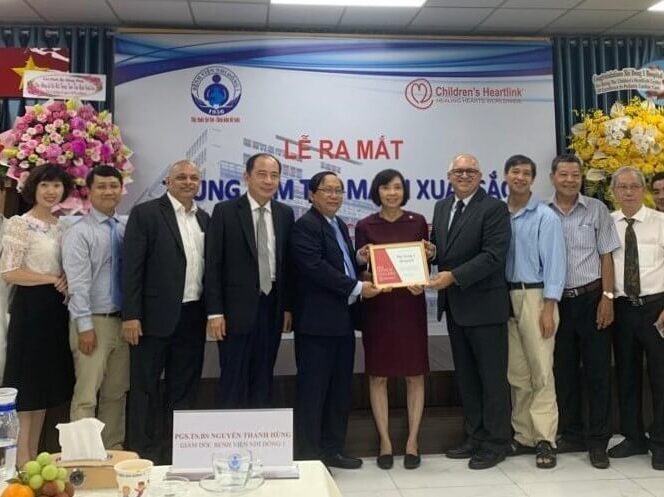
Building Centers of Excellence
Centers of Excellence commit to training other pediatric cardiac specialists from low-resource environments, disseminating their expertise to build the pediatric heart care workforce in their region. This is the heart of our train-the-trainer delivery model.
Children’s HeartLink Centers of Excellence are sustainable centers for training and mentoring others in their region, and also influence communities and governments for the best care possible for children with congenital heart disease.
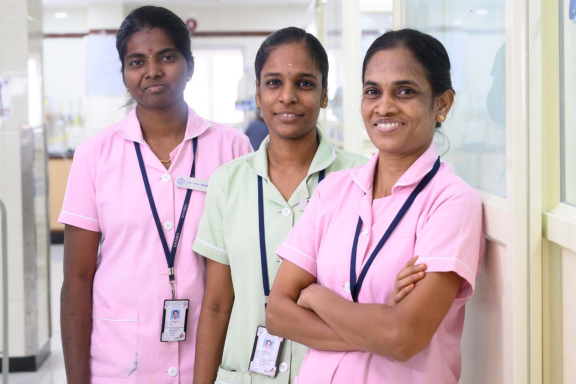
Providing education for pediatric nurses
Nurses are often the closest member of the heart care team to a child and their family after heart surgery. Yet in underserved countries, academic training may not equip them with the tools and skills they need to support a pediatric cardiac patient and hospitals often treat them like an expendable resource. What can we do about it? A lot.
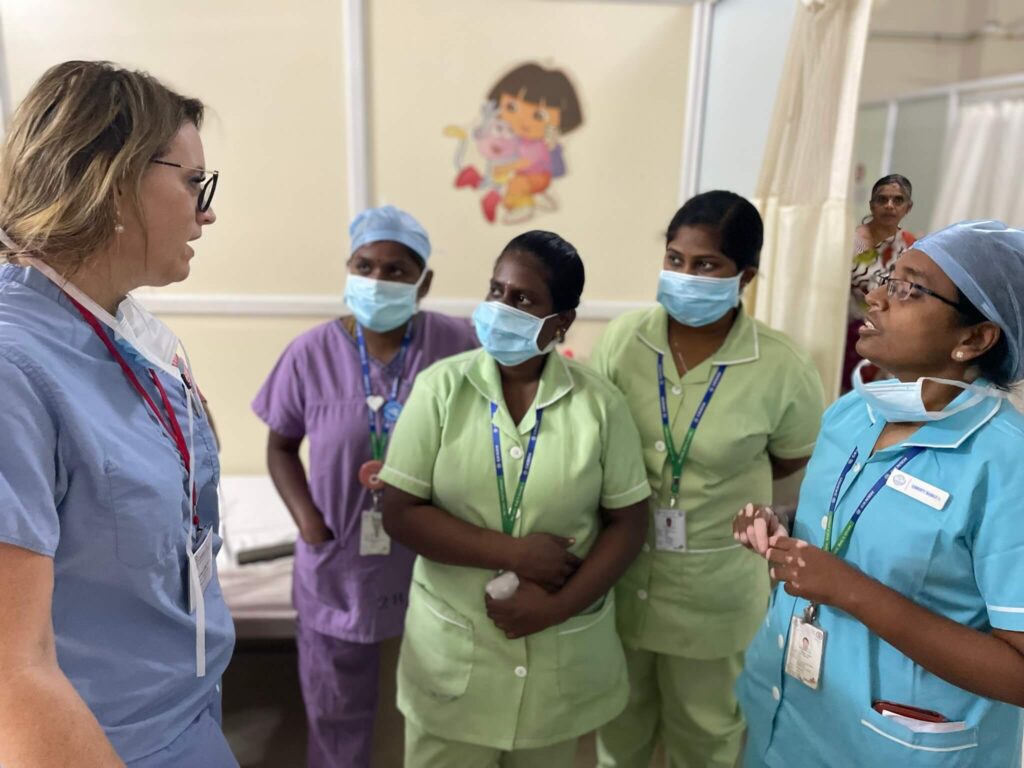
Advocating for children through post-surgery care education
Children are often discharged from the hospital in a matter of a few days following major heart surgery. To ensure parents and caregivers know how to best care for their recovering child, educational resources for post-surgery at-home care are of paramount importance.

Making the impossible, possible
Our work isn’t possible without the selfless dedication, talents and efforts of our medical volunteer teams from around the world.

Our impact beyond borders
The impact we’ve had in communities large and small has been profound. See how we’re leading the charge to reach one million more children by 2030.